
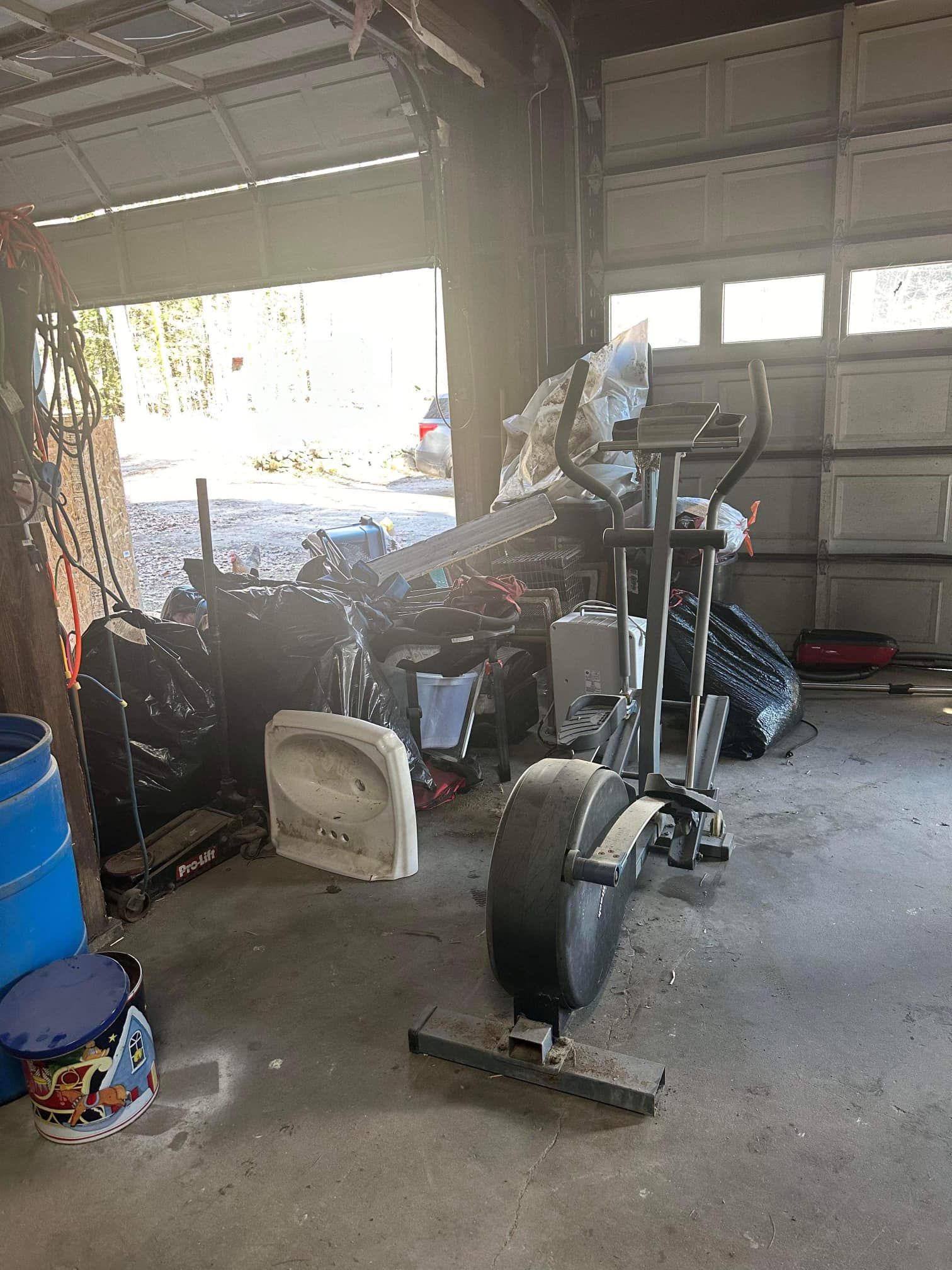
Outdated Electronics Cleared and Recycled Properly
Electronics Removal in Augusta for households and offices accumulating televisions, computers, printers, and gaming systems no longer functional or wanted
Cathode ray tube televisions contain toxic materials banned from standard trash disposal, desktop computers store personal data on hard drives requiring secure handling, and office printer arrays weigh hundreds of pounds when accumulated over years of equipment upgrades. Clean Sweep Junk Removal handles electronics removal in Augusta for both homeowners and businesses clearing out electronic waste, providing convenient hauling solutions for televisions, computers, printers, monitors, gaming systems, and outdated electronics that cannot be disposed of through curbside collection programs.
Electronic waste requires environmentally responsible disposal and recycling practices whenever available—circuit boards contain recoverable metals processed through specialized recycling facilities, plastic housings get separated from internal components for appropriate material stream processing, and items containing hazardous materials like mercury switches or lead solder proceed to certified e-waste handlers rather than general landfills. The service covers office cleanouts generating pallets of obsolete computer equipment, residential upgrades replacing flat-screen televisions and home theater systems, and storage cleanups where old electronics have accumulated over multiple technology generations.
Clear out unwanted electronics safely by scheduling a pickup that removes all electronic waste in a single visit.
Why Electronic Waste Needs Specialized Handling
Electronics contain materials regulated under environmental waste guidelines that prohibit mixing with general household trash. Older televisions and monitors contain leaded glass and phosphor coatings requiring specialized processing, lithium batteries in laptops and tablets pose fire hazards if crushed in standard waste compactors, and mercury-containing components in certain electronics need isolation from general waste streams. Safe handling involves identifying equipment types during removal, sorting items based on recycling facility requirements, and routing materials to processors certified to handle specific electronic waste categories.
Once electronics are removed, storage rooms regain space previously consumed by stacked boxes of obsolete equipment, home offices lose the visual clutter of outdated monitors and tower computers collecting dust, and businesses eliminate the liability of storing electronic equipment containing unwiped hard drives with potentially sensitive data. Garages and basements previously serving as informal electronics graveyards become usable for their intended purposes, and office closets stop functioning as dumping grounds for every replaced printer and scanner from the past decade.
Quick scheduling and dependable customer service mean electronics removal can often occur within days of initial contact, accommodating both planned office upgrades where removal timing must align with new equipment delivery and reactive situations where storage areas have reached capacity. The service handles everything from single television removal to complete office technology overhauls generating dozens of obsolete computers, monitors, and peripherals requiring coordinated hauling and proper disposal documentation.
Questions About Electronic Waste Removal
Electronics removal involves specific handling requirements and recycling considerations that differ from general junk hauling services, particularly regarding data security and environmental compliance.
What should be done with personal data stored on computers before removal?
Homeowners and businesses should remove hard drives or perform data wipes before electronics removal when devices contain sensitive information, as junk removal services focus on physical hauling rather than data destruction, though crews can direct customers to local data destruction services in Augusta when needed.
How are cathode ray tube televisions handled differently than flat-screen models?
CRT televisions require routing to facilities equipped to process leaded glass tubes safely, while flat-screen televisions proceed to recyclers recovering metals and plastics from LCD and LED panel assemblies, with both types accepted during electronics removal appointments but processed through different end facilities.
When do businesses typically need bulk electronics removal?
Office technology refresh cycles every three to five years generate bulk electronics waste when entire workstation fleets get upgraded simultaneously, server room decommissioning projects produce racks of obsolete equipment, and office relocations prompt disposal of accumulated electronics rather than moving outdated equipment to new locations.
What electronics cannot be mixed with general junk during removal?
Batteries, especially lithium-ion batteries from laptops and power tools, require separate handling and cannot mix with general junk loads due to fire risk, and certain industrial electronics containing capacitors or transformers need identification during sorting for appropriate disposal routing.
How does electronics recycling benefit the environment compared to landfill disposal?
Recycling recovers copper wiring, aluminum housings, and precious metals from circuit boards that would otherwise consume landfill space, prevents toxic materials like lead and mercury from leaching into groundwater, and reduces mining demand for raw materials by reintroducing recovered metals into manufacturing supply chains.
Clean Sweep Junk Removal provides electronics hauling throughout central Maine for customers needing safe, responsible disposal of obsolete technology without the complexity of researching recycling requirements or transporting bulky equipment. Arrange your electronics pickup to establish a removal date and receive guidance on preparing items for safe, environmentally responsible hauling.