
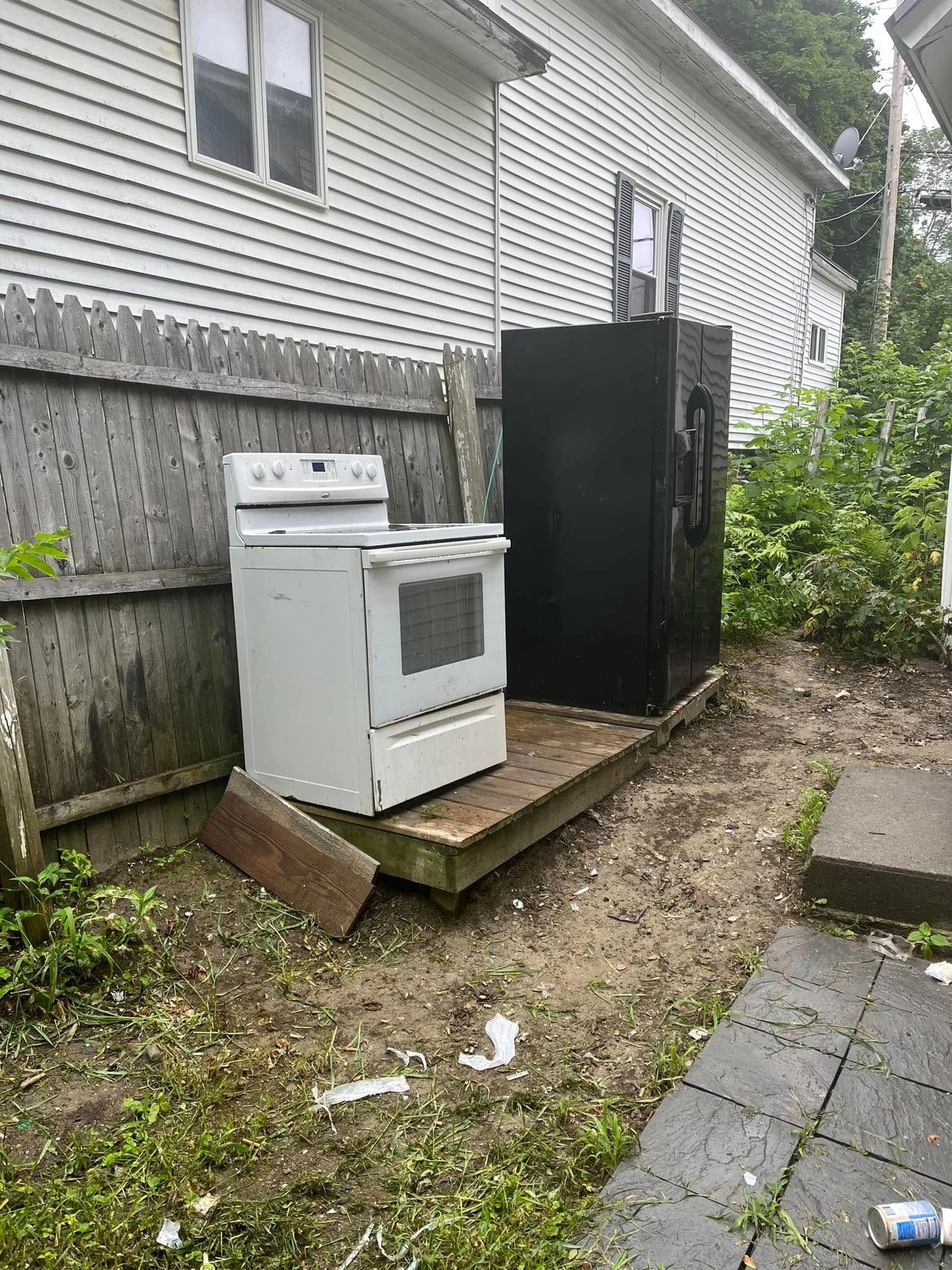
Appliances Hauled Regardless of Size
Appliance Removal in Augusta for homeowners and contractors replacing refrigerators, stoves, washers, dryers, and oversized appliances that don't fit standard disposal methods
Refrigerators weigh up to three hundred pounds and contain refrigerants requiring special handling, commercial-grade stoves need disconnection from gas lines before safe removal, and front-loading washing machines develop imbalanced drums that shift dangerously during transport. These factors make appliance removal more complex than typical junk hauling. Clean Sweep Junk Removal provides appliance removal in Augusta for residential homes, rental units, and commercial properties, handling refrigerators, stoves, washers, dryers, dishwashers, freezers, and other heavy appliances using safe hauling and loading procedures designed for oversized or difficult-to-remove equipment.
The removal process begins with disconnecting appliances from utilities when necessary, using appliance dollies rated for heavy loads during transport, and navigating stairs or tight corners using two-person lifting techniques that prevent damage to doorframes and walls. Home renovations generate old appliances that must leave before new units can be installed, property cleanouts involve outdated equipment from deceased estates or foreclosed homes, and appliance upgrades leave homeowners with functioning but obsolete units that exceed the weight limits for curbside pickup programs.
Book appliance pickup services to coordinate removal with your renovation schedule or new appliance delivery timing.
Why Old Appliances Need Proper Disposal
Appliances contain materials that require responsible recycling practices rather than standard landfill disposal. Refrigerators and freezers contain refrigerants regulated under environmental protection standards, metal components in washers and dryers qualify for scrap recycling that recovers steel and copper, and electronic control boards in modern appliances contain circuit materials processed separately from general waste. Proper disposal routes these materials to appropriate facilities based on appliance type and component composition.
After appliance removal, your kitchen renovation can proceed with cabinet installation and new appliance hookups without tripping over the old refrigerator blocking the workspace, basement laundry areas become accessible again once non-functioning washers and dryers are cleared out, and rental units between tenants get market-ready faster when abandoned appliances are removed within days of vacancy rather than lingering for weeks while landlords arrange disposal. New appliances fit into their designated spaces without requiring homeowners to first wrestle old units down stairs or through narrow hallways.
Dependable scheduling accommodates both urgent removal needs when appliances fail mid-renovation and planned pickups coordinating with appliance delivery dates, and affordable removal pricing accounts for appliance type and access difficulty rather than charging hourly rates that escalate when stairs or tight spaces slow the removal process. Service extends beyond single-appliance pickup to full-property cleanouts involving multiple units from estate sales, foreclosure acquisitions, or commercial kitchen decommissioning projects.
What Property Owners Should Know
Appliance removal involves considerations around utility disconnection, recycling requirements, and access logistics that differ from general junk hauling projects.
What appliances can be removed if they're still connected to utilities?
Most removal services require appliances to be disconnected from electrical outlets, water supply lines, and gas connections before hauling begins, though crews can handle basic electrical unplugging and water line disconnection for standard residential appliances during the removal visit.
How do recycling practices affect what happens to removed appliances?
Refrigerators and freezers proceed to facilities certified to recover refrigerants before metal recycling, washers and dryers get processed for steel and copper recovery, and stoves containing electronic ignition systems have components separated for appropriate material stream processing in Augusta.
When should landlords schedule appliance removal between rental tenants?
Removing abandoned appliances immediately after tenant departure allows landlords to assess whether replacement is needed before marketing vacant units, prevents appliances from becoming additional obstacles during property showing appointments, and eliminates storage concerns for broken equipment awaiting disposal.
What access challenges affect appliance removal pricing?
Appliances located in basements require stair navigation that takes longer than main-floor pickup, units in second-floor apartments may need exterior window removal for safe extraction when interior stairwells are too narrow, and properties with long walkways to street access require additional loading distance factored into service estimates.
How quickly can emergency appliance removal be arranged during active renovations?
Renovation-related removal often receives priority scheduling since contractors cannot proceed with installations until old appliances are cleared, with most urgent requests accommodated within twenty-four to forty-eight hours depending on crew availability and project location.
Clean Sweep Junk Removal handles appliance hauling throughout central Maine for homeowners, landlords, and contractors who need dependable removal of heavy equipment without the liability risks and physical demands of DIY disposal. Set up your appliance pickup to confirm removal timing and establish clear service pricing based on appliance type and property access conditions.